
The Allure of Casino Gaming
Casino gaming has a unique psychological appeal that draws players in. The thrill of possibility, the glimmer of lights, and the sounds of spinning reels create an environment that captivates the senses. This atmosphere not only entices individuals to play but also influences their decisions while gaming. Players often find themselves in a trance-like state, where the line between rational thinking and emotional response blurs, leading to decisions driven by instinct rather than logic. Many of the best non gamstop casinos uk capitalize on this psychological engagement to attract more players.
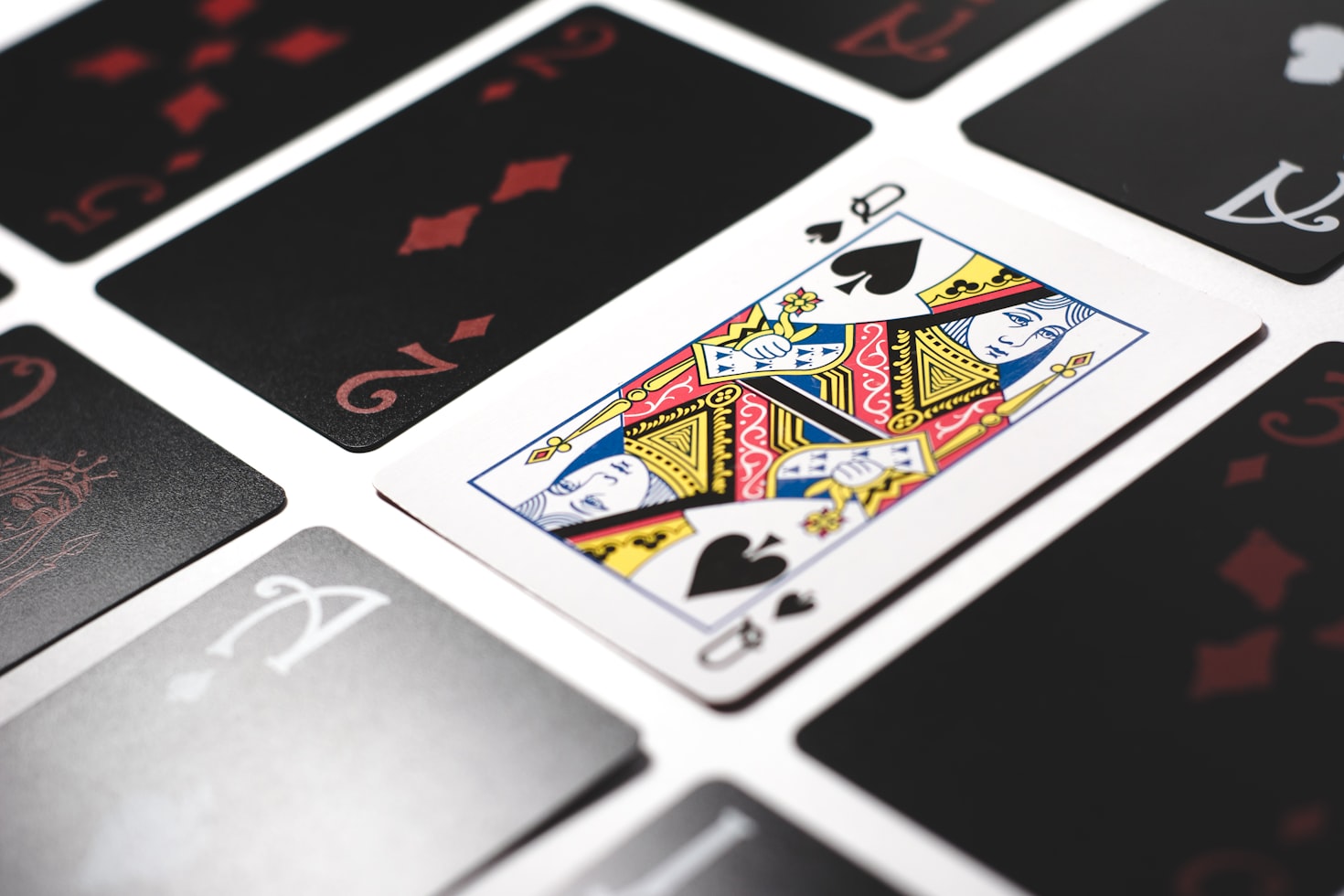
This psychological engagement can be explained through various theories, such as the concept of the “near miss.” This phenomenon occurs when a player almost wins, provoking excitement and encouraging them to continue playing. The anticipation of winning can emotionally override a player’s logical assessment of their chances, pushing them to adopt strategies that may not be statistically sound.
The Role of Cognitive Biases
Cognitive biases significantly influence how players formulate their gaming strategies. The illusion of control is one such bias where players believe they can influence the outcome of a game based solely on their decisions or skills. This notion often leads to overconfidence and riskier choices, as players take greater chances, thinking they can outsmart the house.
Another significant bias is the gambler’s fallacy, where players assume that past results affect future outcomes. For instance, believing that a slot machine is “due” for a payout after a series of losses can lead to continued play. Such misconceptions often drive individuals to engage in repeated betting strategies that may not align with rational thinking.
Emotions and Gambling Behavior
Emotions play a critical role in gambling behavior and strategy formulation. The highs of winning can create a euphoric state, leading players to chase losses or continue gambling beyond their limits. This emotional rollercoaster often blinds players to the long-term consequences of their actions, compelling them to adopt strategies that prioritize short-term gratification over financial prudence.
Moreover, the social aspect of casino gaming can amplify emotional responses. Players often find camaraderie with fellow gamblers, which can bolster their confidence and lead to impulsive strategy choices. This social reinforcement can serve as a double-edged sword, fostering a supportive environment while simultaneously encouraging reckless behavior.
Strategies for Successful Gambling
Understanding the psychology behind casino gaming can help players develop more effective strategies. One approach involves setting strict limits on time and money spent, which helps mitigate the influence of emotions and cognitive biases. By establishing these boundaries, players can maintain a more rational mindset during gameplay, allowing them to better assess the risks involved.
Additionally, players should educate themselves about the odds of various games. Knowledge of basic strategies, such as when to hold or fold in poker, can empower players to make informed decisions rather than emotional ones. By focusing on strategy rather than luck, players can cultivate a disciplined approach that enhances their overall gaming experience.

Safe Gaming Practices and Online Security
Engaging in casino gaming should always prioritize safety and security. Many players seek online platforms that provide secure environments, ensuring that their personal and financial information remains protected from potential threats. A focus on online security is essential, as it provides peace of mind and allows players to fully immerse themselves in the gaming experience.
Various websites offer comprehensive solutions to safeguard user data, helping players navigate potential risks effectively. Understanding the importance of a secure gaming platform can enhance a player’s experience, allowing them to focus on strategy and enjoyment rather than concerns about safety and reliability.